A Beginner’s Guide to Body Contouring Farmington Hills
@landendfqd469
September 24, 2026 · 14 min read
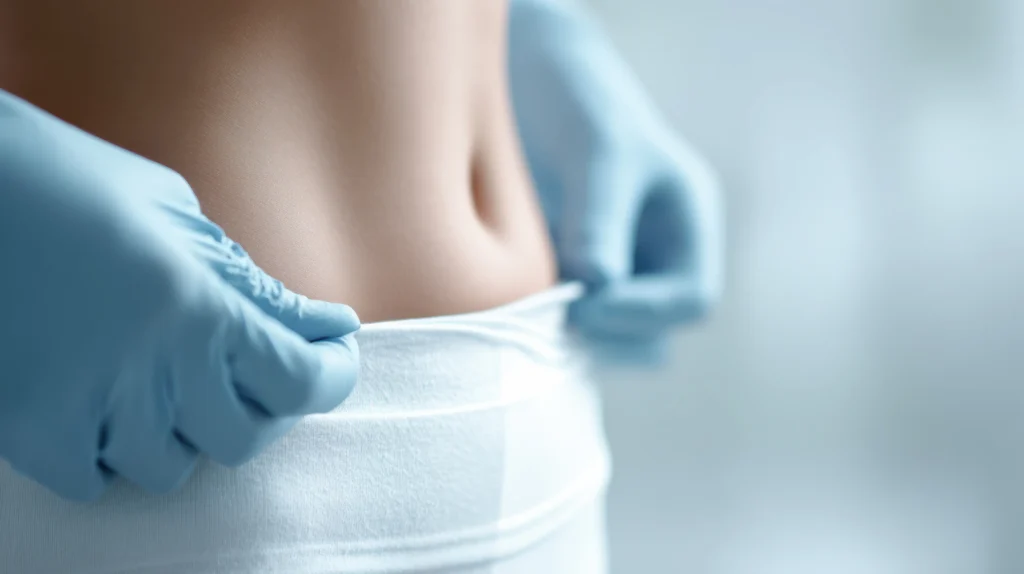
Body contouring has become one of the most asked-about aesthetic services in medical spas and cosmetic practices, and for good reason. Many people eat well, stay active, and still find themselves frustrated by a few stubborn areas that do not seem to respond. The lower abdomen after pregnancy, the flanks that linger despite weight loss, the inner thighs that never quite lean out, the upper arms that soften with age, these are common concerns, and they are often very specific. That is where body contouring enters the conversation.
If you are exploring Body Contouring Farmington Hills options for the first time, it helps to understand what these treatments actually do, what they cannot do, and how to sort through the choices without getting swept up in marketing language. The phrase itself sounds broad because it is broad. Body contouring is not one single treatment. It is a category that includes several approaches designed to improve shape, reduce localized fat, tighten mild skin laxity, or address more than one concern at the same time.
People usually arrive at this point after a practical realization. They are not asking for a different body. They want a more proportionate version of their own. That distinction matters because the best outcomes come from realistic goals, careful treatment planning, and patience with the process.
What body contouring really means
At its core, body contouring refers to treatments that reshape or refine areas of the body. In most non-surgical settings, that means targeting pockets of fat with controlled energy or temperature so the body can gradually process the affected cells. Some treatments also stimulate collagen or tighten tissue to improve the look of loose or crepey skin.
This is very different from major weight-loss treatment. If someone is hoping to lose 30 or 40 pounds, body contouring is not the first solution. It works best when weight is already fairly stable and the issue is contour, not total body weight. A person may be close to their goal, wear the same size most of the year, and still feel bothered by a lower belly pouch or fullness at the bra line. Those are classic body contouring concerns.
A common misunderstanding is that every device does the same job. They do not. Some are designed primarily for fat reduction. Others focus more on skin tightening. A few combine multiple functions. That is why a consultation matters so much. An experienced provider is not just asking where you want to be smaller. They are assessing skin quality, tissue thickness, muscle tone, recent weight changes, and whether the shape you want is actually achievable with non-surgical treatment.
Why people in Farmington Hills are looking into it
Farmington Hills has the same pattern seen in many established suburban communities. Patients tend to be informed, busy, and selective. They want results, but they also want treatments that fit normal life. Many are balancing work, parenting, travel, exercise routines, and social commitments. They are often looking for an option with little downtime and no major interruption.
That is one reason non-surgical body contouring has gained traction. A surgical procedure like liposuction may still be https://maps.app.goo.gl/C7R83h4BFVWygmYv7 the right choice for some people, especially if they want a more dramatic change, but not everyone wants anesthesia, recovery garments, days off work, or the cost that comes with surgery. Others simply do not need that level of intervention. They want moderate improvement in a focused area, and they are comfortable with gradual results.
Michigan’s long winters also shape how people think about these treatments. It is common for patients to start in late fall or winter with the goal of seeing results by spring or summer. Since many body contouring treatments work gradually over several weeks or months, timing ahead makes sense.
The concerns body contouring can improve
Most beginners start by asking a simple question: what areas can actually be treated? The answer depends on the technology being used, but several trouble spots come up again and again. The abdomen is the most common. Love handles follow closely behind. After that, practices often see interest in the thighs, upper arms, under-chin fullness, back fat near the bra line, and the area just beneath the buttocks.
Even then, the conversation should not stop at body part names. The more useful question is what exactly is bothering you in that area. Is it a pinchable layer of fat? Loose skin after weight loss? Mild bulging made worse by posture? Muscle separation after pregnancy? Cellulite texture? One treatment may help with one of those issues and do very little for another.
I have seen people describe an “arm fat” problem that turned out to be mostly skin laxity. I have also seen patients assume their lower abdomen needed skin tightening when the main issue was a compact fat pocket. Those two scenarios call for different treatment plans. Good providers make that distinction early.
The main types of non-surgical body contouring
The technologies vary, but most non-surgical contouring falls into a few broad categories. Cooling-based treatments freeze fat cells. Heat-based treatments use radiofrequency, laser, or ultrasound to warm tissues in a controlled way. Some focus on destroying fat cells. Others tighten skin by stimulating collagen remodeling. Electromagnetic treatments can also be used in some practices to target muscle contractions and improve tone, though these are often better described as body sculpting than fat reduction.
The reason people get confused is that many practices offer more than one platform, and each brand comes with its own marketing language. Strip all that away, and the practical questions remain the same. What does this treatment primarily address? How many sessions does it usually take? How long until I see change? How uncomfortable is it? What happens if I gain weight later?
Cooling treatments generally work best for defined fat bulges that can be drawn into an applicator or otherwise effectively targeted. Heat-based systems may be better suited for people who need a blend of contour improvement and skin tightening. Some patients need staged treatment, with one modality first and another afterward. There is no prize for doing the trendiest treatment if it is not the right match for your anatomy.
What a consultation should feel like
A strong consultation is rarely rushed. You should expect questions about weight stability, pregnancies, surgeries, medical conditions, medications, exercise habits, and what has changed over the past few years. Photos may be taken for comparison. Measurements are sometimes useful, especially if progress is subtle from week to week.
You should also expect some pushback if your expectations are off. That is not a red flag. It is a sign that the provider is being honest. If someone with significant loose skin is told a single non-surgical session will “tighten everything,” that is not thoughtful care. If a patient at an unstable weight is encouraged to buy a large package before establishing healthy maintenance habits, that should raise concerns too.
The best consultations are specific. Instead of vague promises, you should hear language like this: you have a moderate fat layer in the lower abdomen, your skin elasticity is fair, I would expect improvement rather than perfection, and you may need two or three sessions depending on how your tissue responds. That kind of precision is much more useful than broad reassurance.
Who tends to be a good candidate
The phrase “good candidate” can sound like a screening label, but it is really about predictability. Some people are more likely to get satisfying results than others.
A good candidate often has these traits:
- Their weight has been fairly stable for at least a few months.
- They have a specific area of concern rather than a desire for total-body weight loss.
- Their expectations are realistic, with improvement as the goal.
- They are willing to follow a treatment timeline and wait for gradual results.
- They have enough skin elasticity to support a smoother contour afterward.
That does not mean others should never consider treatment. It simply means the conversation needs to be more nuanced. Someone with major skin laxity may still benefit, but perhaps from a different procedure. Someone who recently lost a significant amount of weight may need to wait until their body settles. Someone planning pregnancy soon may decide this is not the right time.
The treatment experience, start to finish
One reason beginners hesitate is uncertainty about what the appointment actually feels like. Non-surgical body contouring is usually straightforward, but it is not identical across devices. Some treatments involve suction and intense cold. Others create a warming sensation. Some feel strange but tolerable. Others feel more active, with pulses or repeated tightening sensations.
A typical visit begins with photos, markings, and positioning. The provider identifies the treatment zone carefully because placement matters. A shift of even a small amount can affect symmetry and final shape. During treatment, you may sit or recline for a set period, often anywhere from about 20 minutes to an hour depending on the device and area.
Afterward, some people return to work the same day. Mild redness, tenderness, swelling, numbness, or temporary sensitivity are common. These effects usually fade, but the timeline differs. A patient treated with a cooling device may describe numbness for days or weeks. A patient treated with radiofrequency may mainly notice short-term warmth and swelling. This is another reason the consultation should include honest discussion of recovery, even when a procedure is called “no downtime.”
Results are rarely immediate. That can be surprisingly hard for first-time patients. Most non-surgical fat reduction methods rely on the body’s natural clearing process, which takes time. Visible change often begins within several weeks and continues to develop for two to three months, sometimes longer. Skin tightening can also evolve gradually as collagen remodeling occurs.
What results usually look like in real life
The most satisfied patients are often the ones who understand that contouring is subtle to moderate, not transformational in the surgical sense. They notice pants fitting better at the waist. They see a smoother line under knit tops. They feel less fullness at the bra band or lower abdomen. Friends may say they look slimmer without being able to identify exactly why.
That kind of result can be meaningful, but it does not always photograph dramatically after one session. Lighting, posture, bloating, menstrual cycles, and even hydration can affect how the body looks from week to week. Providers who do a lot of body contouring know this and usually rely on standardized photos and measurements rather than quick mirror impressions.
There is also variation in how bodies respond. Two people with similar builds can have different outcomes because tissue density, metabolism, hormones, age, and baseline skin elasticity all play a part. This is why guarantees should make you uneasy. Experienced clinicians can estimate, but they cannot promise an exact inch loss.
The trade-offs beginners should know
Non-surgical treatment offers convenience, but that convenience comes with trade-offs. The biggest one is degree of change. If you want a dramatic reshaping of the abdomen, flanks, or thighs, surgery may produce a result that non-surgical treatment simply cannot match. Another trade-off is time. Surgical treatment involves more downtime, but results can be visible faster once swelling resolves. Non-surgical contouring asks for patience.
Cost can also be misleading. A single non-surgical session may seem more affordable than surgery, but if several sessions are needed across multiple areas, the total can add up. That does not make it a bad choice. It just means you should compare value honestly rather than focusing only on the first price you hear.
Maintenance matters too. Destroyed fat cells in a treated area do not behave exactly like before, but body contouring does not freeze your body in time. Remaining fat cells can still enlarge with weight gain. Aging, pregnancy, stress, hormonal shifts, and lifestyle changes can all affect long-term appearance.
Questions worth asking before you commit
A beginner does not need to know every technical detail, but a few smart questions can save frustration later.
- What exactly are you treating in my case, fat, skin laxity, or both?
- How many sessions do you realistically think I will need?
- When should I expect to see change, and how will progress be measured?
- What side effects are most common with this device?
- If I am not a strong candidate for this treatment, what would you recommend instead?
Pay attention not only to the answers, but to how they are given. Clear, measured responses usually reflect clinical maturity. Evasive or overly enthusiastic answers often do not.
Pricing in context
Prices for Body Contouring Farmington Hills services vary depending on the device, the size of the treatment area, the number of sessions, and the credentials of the provider. It is wise to think in terms of total treatment plan cost rather than per-session cost alone. A lower price per visit is not necessarily a better value if it takes more sessions to reach a comparable result.
Also ask what is included. Some practices build consultation fees, follow-up photos, or post-treatment garments into the package. Others do not. If a package sounds unusually inexpensive, ask whether it covers only one small applicator area or whether additional passes are likely to be recommended later.
Financing can make treatment more accessible, but it should not replace judgment. A treatment is only “worth it” if it fits your goals and has a reasonable chance of delivering meaningful improvement for your body type.
Safety and provider selection matter more than branding
Patients often shop by device name because those names are easy to find online. The technology matters, but provider judgment matters just as much. An excellent device in inexperienced hands can lead to disappointment. A thoughtful provider using a solid, established platform will usually outperform a flashy sales pitch.
Look for a practice that performs thorough consultations, reviews medical history carefully, uses standardized before-and-after photography, and speaks openly about who is and is not a good candidate. Experience with a range of body types is also important. Treating a petite patient with a small flank bulge is not the same as planning treatment for postpartum abdominal laxity or weight-loss-related tissue changes.
Comfort should count as well. You are discussing your body in a vulnerable way. You should feel listened to, not sold to.
Aftercare and how to protect your results
Aftercare is often simple, but the bigger issue is what happens over the next several months. Hydration, movement, and weight stability support the body’s response. That does not mean you need a perfect routine. It means the treatment tends to show best when your baseline habits are steady.
I often tell beginners to think of body contouring as a finishing treatment, not a replacement for self-care. It can refine what you have built. It cannot compensate for large swings in weight, chronic inflammation from poor sleep, or a cycle of restrictive dieting followed by rebound gain.
The patients who stay happiest long term usually do something very unglamorous: they keep their expectations anchored. They use treatment to address a focused concern, then maintain with ordinary habits such as regular walks, strength training, consistent meals, and follow-up only if needed.
What beginners in Farmington Hills should keep in mind
If you are considering Body Contouring Farmington Hills services, start with the problem you want solved, not the device you saw on social media. Be specific. Is it the lower abdomen after kids? A soft area above the waistband? Mild laxity in the arms? Once you name the issue clearly, it becomes much easier to match the treatment to the goal.
Give yourself time as well. The best body contouring decisions are rarely made in one rushed lunch break between errands. Book a consultation, ask direct questions, look at real before-and-after examples from the practice, and think about whether the expected degree of improvement lines up with what you want.
For the right person, body contouring can be a smart, satisfying step. It is not magic. It is not major weight loss. It is not a substitute for surgery when surgery is truly what is needed. But when used well, with sound judgment and realistic goals, it can make the body feel more balanced, clothes fit better, and help someone feel more at ease in their own shape. For many beginners, that is exactly the point.
Aesthetic Plastic Surgery & Laser Center, Michelle Hardaway M.D.
Address: 27920 Orchard Lake Rd, Farmington Hills, MI 48334
Phone number: +12482211957
FAQ About Body Contouring Farmington Hills
What does body contouring actually do?
Body contouring (or body sculpting) eliminates stubborn localized fat, tightens loose, sagging skin, and reshapes your silhouette. It is not a weight-loss tool, but rather a cosmetic procedure used to refine and tone specific trouble spots after major weight loss, pregnancy, or aging.
How much does body contouring usually cost?
The total cost of body contouring usually ranges from $2,000 to $25,000+ depending entirely on whether you choose non-surgical sessions or major surgical procedures.
Because "body contouring" covers everything from simple fat-freezing to comprehensive post-weight-loss surgeries, pricing is heavily categorized by the method used.
What is the best type of body contouring?
Liposuction is a huge topic and worth discussing in more detail, but in terms of body contouring and sculpting, nothing does the job better than liposuction, particularly VASER liposuction.